Blog

  • The new Trump trades: how investors are navigating Iran shocks 

    The new Trump trades: how investors are navigating Iran shocks 

    Investors are developing a new “Trump trade strategy” to navigate market uncertainties ranging from whether the U.S.-Iran ceasefire will be sustainable to whether oil prices will remain high for an extended period.

    As geopolitical developments dominate the economic outlook, predicting global inflation and interest rates is becoming increasingly difficult, making long-term currency transfers challenging.

    Instead, many investors are making short-term bets on assets that may have been mispriced during the Iran war.

    Here’s a rundown of some of the new Trump trades.

    1. HIGHER FOR LONGER OIL

    Oil tumbled almost 15% on Wednesday to below $100 a barrel on the ceasefire but the price is expected to remain higher for longer given uncertainty over the Strait of Hormuz.

    Oil futures for six months’ time trade ​around $79 , higher than before the war began on February 28.

    They have tended to drop sharply on days when a detente looks more likely and ​some analysts say they have swung too low.

    Even a successful ceasefire with no further tensions would put a floor under the ⁠oil price of $85 per barrel by year-end, said Societe Generale’s global head of commodities research Michael Haigh, adding that if states now more conscious about energy security ​began stockpiling oil, it would be higher.

    That is one reason investors, who have long avoided unloved energy producer stocks, are less bearish. A Bank of America survey dated ​March 31 found that while 30% of investors retain a negative stance on the sector, which is hampered by ESG concerns, this has dropped from 40% six months ago.

    Shell (SHEL.L), opens new tab said on Wednesday it sees stronger oil trading ahead.

    2. CANADA, NORWAY

    The US dollar regained its luster after months of stagnation, but investors noted that if the war ends and demand for the reserve currency decreases, while crude oil prices remain high, the currencies of some oil-producing countries could shine.

    Van Luu, head of global solution strategy at Russell Investments, said while addressing a permanent ceasefire scenario, “It will take some time for everything to pick up again, for tankers to start traveling again, and oil prices may reach a higher floor.”

    “If oil prices are between 85 and 100 dollars (per barrel), energy exporters in politically stable countries (you can include Norway and Canada in this category) should perform better.” “Petrol prices between $85 and 00 (per barrel) should see energy exporters in politically stable countries (you can include Norway and Canada in this category) perform better.”

    3. BOUNCE-BACK OF BONDS?

    U.S. President Donald Trump’s truce promise, along with the easing of inflation concerns among energy importers, has led to a decrease in borrowing costs for British and Eurozone governments.

    However, fund managers said that these yields are still very high compared to interest rate and inflation expectations, especially considering that the base interest rate in the UK is 3.75%, consumer price inflation is 3.2%, and the 10-year bond yield is slightly below 4.7%.

    Morningstar Asset Management portfolio manager Nicolo Bragazza said, “We don’t see a situation similar to 2022 when UK inflation rose above 10%” and viewed government bonds positively.

    In the Eurozone, German 10-year bond yields are around 2.9%, compared to interest rates of 2%. Markets are now pricing in only a 20% chance of the European Central Bank raising rates in April, down from 60% before Trump’s Iran ceasefire announcement.

    A line chart with the title 'G7 bond yields'

    4. HUNTING OUT ANOMALIES

    Bragazza said that investors often overreact to good and bad news, which leads to assets that should not be correlated moving together and price anomalies in markets dominated by a war sentiment.

    Bruno Taillardat, head of quantitative portfolio management at Edmond de Rothschild, said, “(Trading) is not as widespread as it should be, and there are some sectors that should be less sensitive to it, at least in the medium term.”

    It cited global healthcare stocks (which are generally considered relatively defensive during recessionary periods, these stocks have traded in line with the world index of cyclical businesses since the war began).

    He said that in sentiment-driven markets, investors who identify mispricing opportunities arising from daily market movements will stand out.

    Taillardat stated that he expects Trump’s rhetoric to keep the markets volatile and overly reactive to headlines.

    Bragazza from Morningstar said, “These types of asymmetric behaviors create the right opportunities.”

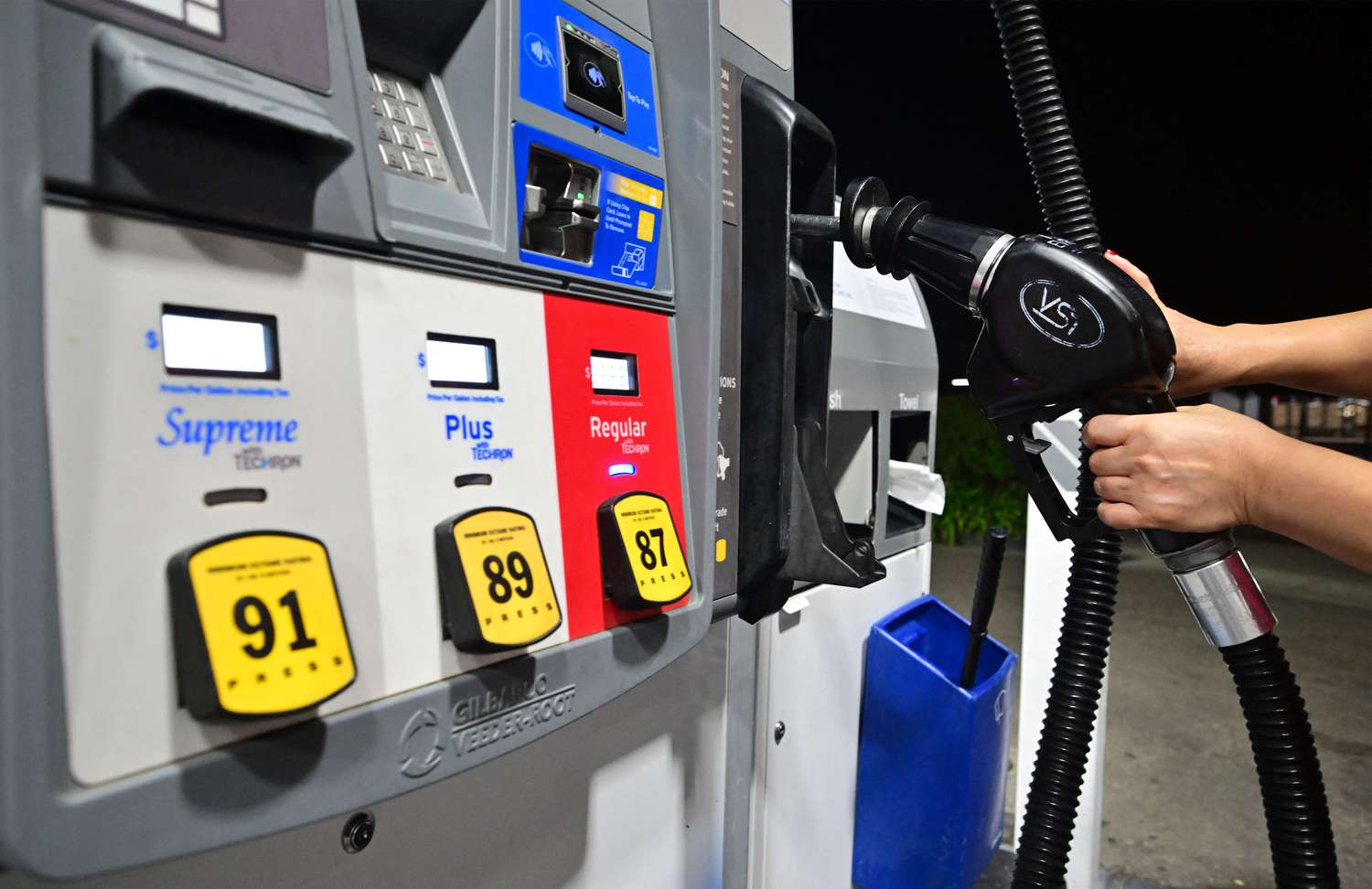
  • Market watchers predict that US gas pump prices would remain high in spite of the US-Iran ceasefire agreement.

    Market watchers predict that US gas pump prices would remain high in spite of the US-Iran ceasefire agreement.

    In a statement made on Wednesday, it was noted that despite wholesale fuel prices dropping following U.S. President Donald Trump’s two-week ceasefire in the U.S.-Israel war against Iran, U.S. consumers will continue to pay high prices to fill their vehicles or buy plane tickets during the peak of the summer travel season.

    The high fuel prices caused by Iran’s blockade of the Strait of Hormuz have become a significant issue in Trump’s and the Republican Party’s campaign to maintain control of the U.S. Congress in the midterm elections in November.

    The war has driven gasoline and diesel prices to their highest levels in years, and economic troubles have brought Trump’s approval ratings to their lowest since he returned to the White House.

    After Trump announced a two-week ceasefire agreement on Tuesday, U.S. crude oil futures fell by about 0, and U.S. gasoline and diesel futures also showed a sharp decline; as investors bet on the potential reopening of the Strait of Hormuz.

    However, experts noted that the falling crude oil futures are unlikely to bring quick relief to consumers at gas stations, and they pointed out that the fragile ceasefire has already begun to show cracks. After Israel launched its largest attack on Lebanon to date, the Strait of Hormuz remained closed on Wednesday. Iran also attacked a pipeline that Saudi Arabia relies on to bypass the Strait of Hormuz.

    Shon Hiatt, director of the Zage Energy Management Initiative at USC Marshall School of Business, said, “There is still a lot of uncertainty about what this truce means and when and how fuel will start flowing again thru the Strait of Hormuz, and retailers are not going to sharply lower prices in the face of that uncertainty.”

    Hiatt said that in any case, retail fuel prices rise much faster than they fall because fuel sellers will deplete their higher-priced stocks and seek greater certainty about future supply to avoid losses.

    “Prices are skyrocketing like a rocket and plummeting like a feather.” Prices are skyrocketing like a rocket and plummeting like a feather.

    According to GasBuddy data, the price of retail gasoline in the U.S. fell by one cent to $4.16 per gallon by Wednesday afternoon; this figure was approximately the highest level in four years at $4.17 on Tuesday.

    GasBuddy analyst Patrick De Haan said, “If everything freezes right now, the national average gas price could drop by 5 or 10 cents per gallon by this time next week.”

    According to GasBuddy data, as of Tuesday, the price at the gas pumps remained about a dollar higher than the average from last year.

    RISK PREMIUM

    StoneX’s director of energy market strategy, Alex Hodes, said that regardless of whether the ceasefire is in effect or not, insurance costs will be higher than before the war, and ships will hesitate to cross the waterway.

    Hodes said, “Markets will remain at high levels for the rest of the year due to the high geopolitical risk premium.”

    Hodes and Hiatt stated that especially the diesel and jet fuel markets will remain tight due to the limited supply of these fuels compared to other refined products.

    The Middle East is an important supplier of these fuels and also of the types of crude oil with the highest yield in refineries.

    Average retail diesel prices in the U.S. continued to rise on Wednesday despite the ceasefire agreement, reaching $5.67 per gallon; the highest level since July 2022 and about 60% more than last year.

    U.S. gasoline futures fell about 9% in intraday trading, while diesel futures dropped over 14%. Both remained about a dollar above pre-war levels. Gasoline futures were trading at $3.01 a gallon, while diesel futures were trading at $3.83 a gallon.

    The trading desk of the U.S. fuel distribution company TACenergy wrote, “The remaining risk premium is a reminder that the majority of ships have yet to pass thru the Strait of Hormuz, as ceasefire plans have not yet reached the parties initiating the attacks.”

  • Following Cenbank’s increase, major Australian banks also raise home loan rates.

    Following Cenbank’s increase, major Australian banks also raise home loan rates.

    Australia’s four largest banks raised their variable home loan interest rates on Tuesday after the central bank increased cash rates for the first time in two years.

    Private banks raised interest rates by 25 basis points, reflecting the move made by the Reserve Bank of Australia earlier in the day.

    The new variable interest rates for home loans will be implemented on February 13 and 17, respectively, according to Commonwealth Bank of Australia and Westpac. The increase in the standard variable home loan interest rate by National Australia Bank and the increase in ANZ Group’s Australian home loans will also come into effect from February 13.

    Completing its February policy meeting, the Reserve Bank of Australia unanimously decided to raise interest rates to 3.85%.

    Additionally, he stated that the economy is growing faster than expected and that inflation is likely to remain above the target level for some time.

    CBA also announced separately that it increased the annual interest rates on eligible variable rate business loan products by 0.25%; ANZ added in its statement that it continues to review other interest rates.

  • Halifax reports UK home values fell in March as the Iran War affected prospects.

    Halifax reports UK home values fell in March as the Iran War affected prospects.

    According to a statement by mortgage lender Halifax on Wednesday, housing prices in the UK unexpectedly fell last month due to economic uncertainty stemming from the Iran war negatively affecting buyer demand.

    Halifax stated that housing prices fell by 0.5% on a monthly basis in March, following a 0.3% increase in February.

    In a survey conducted by Reuters with economists, a 0.1% increase was forecasted.

    The survey contrasted with findings from rival ​mortgage lender Nationwide, which recorded a sharp increase in house prices in March.

    Halifax announced that the housing price index increased by 0.8% compared to March 2025, falling short of the annual expectation of a 1.5% increase.

    Halifax’s mortgage division head Amanda Bryden said, “The recent slowdown in the housing market reflects the broader uncertainty regarding the conflict in the Middle East.”

    Concerns about high energy prices have raised inflation expectations; this has led to an increase in mortgage interest rates, reducing confidence that interest rates will be lowered this year and slowing the market momentum seen at the beginning of the year. “Concerns about high energy prices have raised inflation expectations, leading to an increase in mortgage interest rates, which has reduced confidence that interest rates will be cut this year and slowed the market momentum seen earlier in the year.”

  • Amidst market turbulence over Iran, UK banks remove the most mortgage products in three years.

    Amidst market turbulence over Iran, UK banks remove the most mortgage products in three years.

    According to data from financial services provider Moneyfacts, as the Iran crisis raises energy prices and borrowing costs in the UK, British banks withdrew the most mortgage products from the market on Monday since the mini-budget crisis of 2022.

    Lenders pulled 308 home loan products from the market on March 9; this figure is quite low compared to the 935 products on September 27, 2022, when the then-Prime Minister Liz Truss’s new government announced major tax cuts funded by borrowing.

    The recent turmoil in the UK mortgage market, where prices have fallen in recent weeks, shows the far-reaching consequences of the conflict in Iran; as this situation raises yields in the UK government bond and swap markets on which mortgage prices are based.

    According to Moneyfacts’ statement, the single-day drop in the market on Monday was the largest since the record day in 2022; the only exception was the simplification of products by a single specialist credit institution on July 23, 2024.

    Adam French, head of consumer finance at Moneyfacts, said the turmoil in the mortgage market this week was “a sharp and sudden adjustment by many lenders in response to rapidly rising swap rates.”

    French noted that some of these products could return as credit institutions adjust to higher interest rate expectations, but this development would still harshly impact borrowers, and interest rate increases would now depend on how global markets and inflation react to the Iran crisis.

    Nicholas Mendes, a mortgage technical manager at John Charcol, said: “We are likely to see another wave of lenders withdrawing or repricing their deals in the coming days, including those who increased rates last week.”

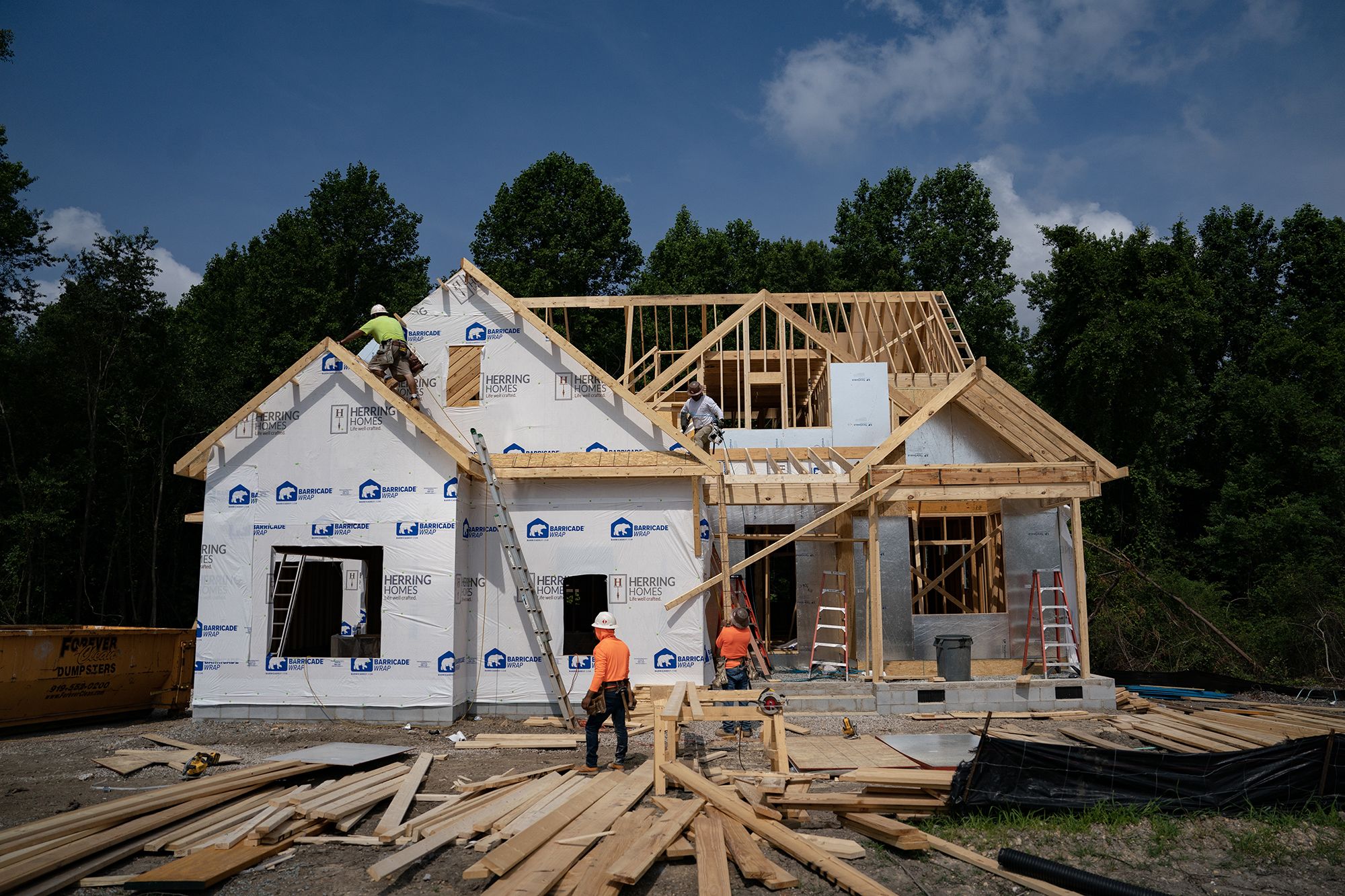
  • Trump directs agencies to reduce red tape related to mortgages and homebuilding.

    Trump directs agencies to reduce red tape related to mortgages and homebuilding.

    U.S. President Donald Trump signed two presidential orders on Friday aimed at improving housing affordability, a key concern for voters ahead of the November midterm elections.

    According to information released by the White House, Trump signed an executive order aimed at eliminating unnecessary regulatory burdens that delay housing construction and increase housing costs, and another executive order aimed at easing regulations related to mortgage costs and housing loans.

    While housing prices are hovering near record levels and mortgage interest rates remain high, housing affordability has become an increasingly pressing political issue, making homeownership unattainable for many first-time buyers.

    The White House tried to emphasize this issue as part of its economic agenda as Trump heads into midterm elections where his Republican Party will defend a narrow majority in both chambers of Congress.

    A decree directs federal agencies to identify and eliminate regulations that delay housing construction and increase costs for developers. The directive calls for the review of permits and environmental conditions that can slow down projects or increase construction costs, with the aim of accelerating the supply of new housing.

    A second order, focusing on mortgage loans, instructs regulators to review rules that the administration says prevent small lenders from issuing home loans and restrict access to credit.

    The White House said this effort aims to lower borrowing costs and make it easier for creditworthy Americans to buy homes.

    These orders build on other steps Trump has taken to address housing costs since taking office.

    Earlier this year, the administration was exploring ways to limit single-family home purchases by large institutional investors, which critics said were constraining supply for potential buyers, while pushing government-backed mortgage companies Fannie Mae and Freddie Mac to expand their purchases of mortgage-backed securities in an effort to lower borrowing costs.

  • Cryptocurrency for a house? Token-backed down payments are introduced to the property market by Coinbase.

    Cryptocurrency for a house? Token-backed down payments are introduced to the property market by Coinbase.

    Coinbase, in collaboration with Better Home & Finance, is allowing home buyers to use their crypto assets as collateral for down payments; this stands out as one of the most ambitious attempts to adapt digital assets to mainstream needs.

    According to the companies’ announcement on Thursday, a potential homeowner could provide a loan collateral against Bitcoin or USDC in their Coinbase account to cover the down payment. The loan will be separate from the Fannie Mae-backed home mortgage.

    This move will spare homebuyers from having to sell their crypto assets to finance their down payments; this transaction is typically done with cash and cash-equivalents.

    Customers can hold onto their assets for a longer period, potentially benefit from more price increases, and defer their tax liabilities.

    Additionally, it can also alleviate the long-standing criticism that the practical use of crypto assets is limited.

    Kara Calvert, head of U.S. policy at Coinbase, told Reuters, “This product is designed to operate within the safeguards of the existing mortgage system, including how risks such as asset volatility are managed.”

    However, this approach adds complexity and leverage to an already expensive purchase. In fact, buyers will be taking a gamble that maintaining exposure to cryptocurrencies justifies taking on a second loan, in addition to one of the largest financial commitments of their lives.

    According to the National Association of Realtors, access to homeownership has narrowed in recent years, as the average age of first-time homebuyers has risen from 32 in 2000 to 40, due to high borrowing costs, elevated prices, and limited supply.

    Mortgages will be provided and serviced by Better.

    FROM FRINGE TO MAINSTREAM

    The crypto-friendly Trump administration took various steps to ease regulatory barriers that have long restricted the spread of traditional financial products.

    Last year, the White House instructed regulators to expand access to alternative investments, including cryptocurrencies, for retirement savers in 401(k) plans.

    During the campaign process for the 2024 presidential election, Trump had promised to make the U.S. the “crypto capital” of the world.

    Coinbase’s manager Calvert said, “We are actively engaging in a bipartisan dialog with Washington on cryptocurrency regulation,” and added that the company’s product would expand access to homeownership for Americans whose wealth is not in traditional accounts.

    Coinbase said its crypto-backed mortgages function like traditional home loans with the same legal protections.

    The company spokesperson said that once the loan is activated, the mortgage terms and interest rates will not be affected by Bitcoin’s price fluctuations.

    The spokesperson also added that even if the value of the cryptocurrency shown as collateral decreases, a margin call will not be made as long as the owner does not miss their payments.

  • US mortgage rates edge down to 6.51%, MBA says

    US mortgage rates edge down to 6.51%, MBA says

    The most popular mortgage rate in the U.S. fell last week for the first time since the start of the Iran war, but it was not enough to revive the housing market, which has been sidelined by a combination of high borrowing costs and expensive homes.

    The Mortgage Bankers Association announced on Wednesday that the contract interest rate for a 30-year fixed-rate mortgage decreased by 6 basis points to 6.51% for the week ending April 3, retreating from the seven-month high reached the previous week.

    However, refinance applications fell by 2.8%, and purchase applications, which rose by about 1% from the previous week, remained 7% lower than a year ago, the Mortgage Bankers Association added.

    Since the U.S. and Israel launched the war on February 28, mortgage rates have risen by 42 basis points, which has increased the yields on Treasury bonds that lenders use to set mortgage rates.

    The Iran war, in addition to increasing credit costs, has also affected consumers’ daily budgets with the rise in fuel prices.

    Affordability has become a key political issue for the Trump Administration, which said it would make a “major housing announcement” on Wednesday.

    Earlier this year, President Donald Trump proposed banning corporate investors from buying single-family homes and instructed Fannie Mae and Freddie Mac, government-controlled entities that back most U.S. home loans, to purchase 00 billion in mortgage-backed securities to lower borrowing rates.